Managing Coordinated Gate Crashing at Music Festivals.
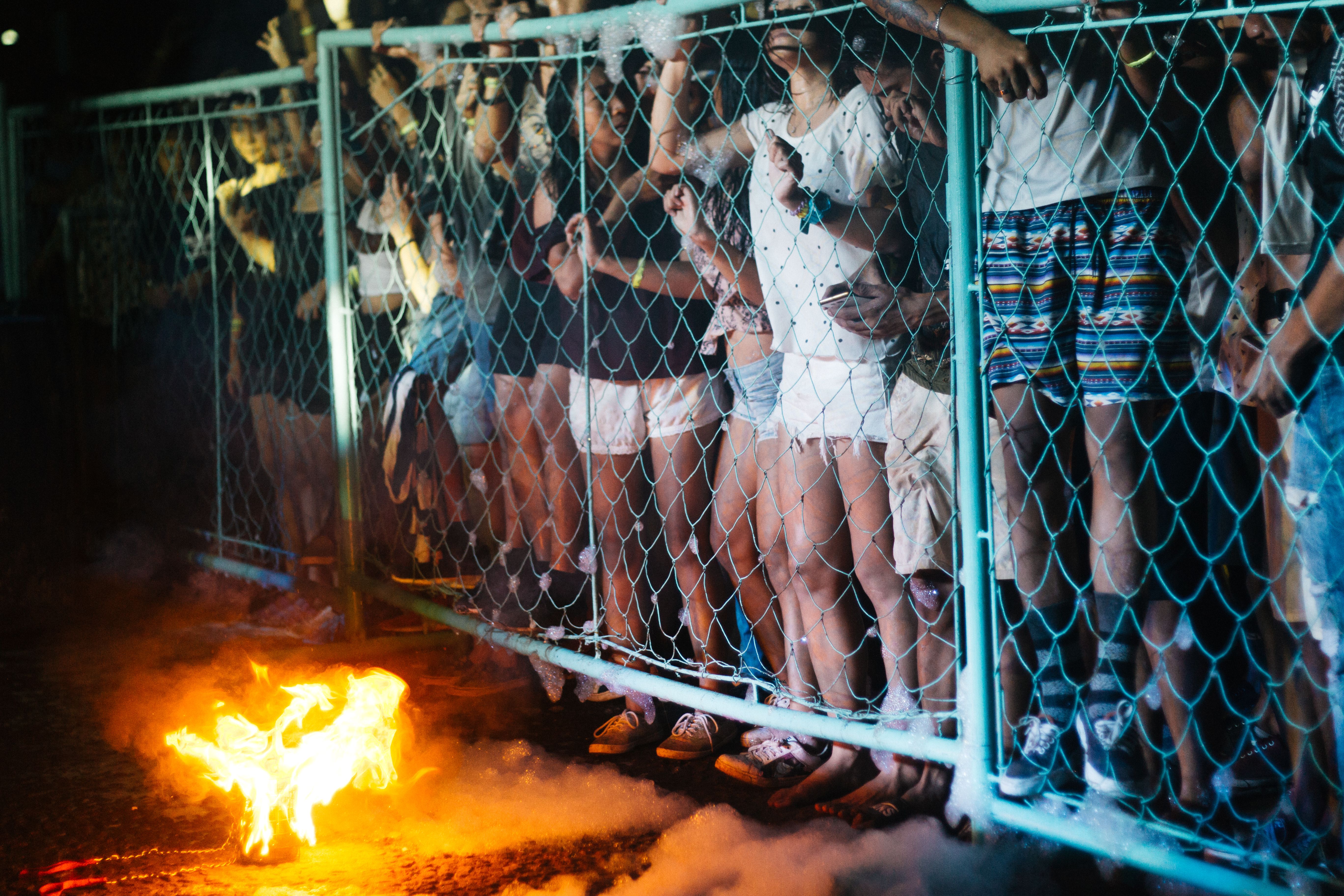
Most music festivals experience occasional unauthorised entry attempts by individuals but in recent years there has been a rise in coordinated gate crashing where organisers can be quickly overwhelmed. How can festival organisers plan to prevent coordinated gate crashing which can threaten the safety of everyone on a site.
Coordinated gate crashing usually involves groups acting together to overwhelm festival entry points or breach perimeter fencing often targeting vulnerable security procedures. Aside from the potential safety risks to staff and festival-goers organisers can also suffer financial loss and reputational damage from such incidents. What steps can organisers take to obtain intelligence about planned incidents and implement physical measures to manage and prevent unauthorised access attempts.
Causes and Common Tactics Used.
The most common cause of coordinated gate crashing at festivals is where the event sells out, usually combined with a perceived high price. If this is not anticipated by organisers they can have weak security measures in place making a coordinated attempt more likely. Individuals often organise mass gate crashing through social media channels and private messaging groups where discussions about inadequate perimeter fencing or understaffed entry points are highlighted. Less common are spontaneous mass gate crashing incidents which can occur when entry gate procedure leads to long delays and queues of festival-goers get impatient and rush security. Other factors that cause coordinated gate crashing can include the effect of alcohol and drug intoxication by ticketless individuals combined with poor site design, sometimes boosted by fraudulent ticket activity. Organised gate-crashing groups usually target vulnerable sections of fencing with bind spots either cutting through or climbing barriers and sometimes forcing down temporary structures. Large groups often use diversionary tactics by distracting security staff whilst the gate-crashing attempt occurs elsewhere.
Gathering Intelligence.
One of the best ways to prevent coordinated mass unauthorised entry to a music festival is the gathering of intelligence prior to the event live dates. This can be possible by monitoring public social media groups, open-source intelligence, and local event forums, for example. Other sources can include unauthorised ticket sharing communities or tip offs from genuine ticket holders about planned occurrences. Private chat groups are more difficult to monitor unless a member provides information to organisers. Any gathering and use of intelligence data should be handled in compliance with the prevailing privacy and data protection laws.
Planning and Prevention.
Organisers can include the possibility of a mass gate crashing incident in their planning process as part of risk assessment exercises. This can include studying previous incidents at other festivals combined with other factors like site vulnerabilities, festival-goer demographics, and venue capacity pressures. A large outdoor music festival site could require extensive perimeter fencing, and supplier contractors can now provide more robust anti climb designs that are resistant to most breach attempts. The perimeter security steps could also include security patrols along with CCTV, enhanced lighting, and drone monitoring. For entry gates where queues of frustrated ticketholders can form, organisers should design processes that speed up access. This is possible by creating multiple entry lanes, fast track scanning, and pre-event validations combined with real time monitoring and clear and regular communications with queuing ticketholders. The use of a reputable ticketing platform that issues electronic tickets with RFID access control can prevent duplicate ticket use, identify fraudulent credentials, and detect unusual entry patterns.
Reactive Measures.
If despite all the planning measures implemented by organisers there is still a mass organised entry attempt, they must have processes in place to deal with incidents in a safe controlled manner. Staff, volunteers and contracted security personnel should all have received sufficient training prior to the event live dates. This will have included mass entry breach procedures, radio communication protocols, crowd management and evidence collection and reporting. The priority will always be to protect life and maintain a safe environment to prevent crowd crushing situations. If a breach occurs, organisers should always maintain command and control over the situation and coordinate with the police and local emergency services. If incidents are handled appropriately, it avoids escalation which can be a significant threat to personal safety of all involved. If an incidence of mass organised gate crashing is experienced at an event, the organisers should conduct a full post incident review. Understanding timelines along with security performance and intelligence assessments can help to build more robust processes and procedures for future events.
For festival organisers planning their next event using a software management platform like Festival Pro gives them all the functionality they need manage every aspect of their event logistics. The guys who are responsible for this software have been in the front line of event management for many years and the features are built from that experience and are performance artists themselves. The Festival Pro platform is easy to use and has comprehensive features with specific modules for managing artists, contractors, venues/stages, vendors, volunteers, sponsors, guestlists, ticketing, site planning, cashless payments and contactless ordering.
Image by Carms Onoya via Pexels
<< Back to articles
Contact us
Get in touch to discuss your requirements.
US: +1 424 485 0220 (USA)
UK: +44 207 060 2666 (United Kingdom)
AU: +61 (2) 8357 0793 (Australia)
NZ: +64 (0)9887 8005 (New Zealand)